Mon to Fri: 8:00am to 5:00pm
-
-
-
Room 7, Second Floor, Demushuwa Suites, Lady Pohamba, Windhoek
Mon to Fri: 8:00am to 5:00pm
Room 7, Second Floor, Demushuwa Suites, Lady Pohamba, Windhoek
+
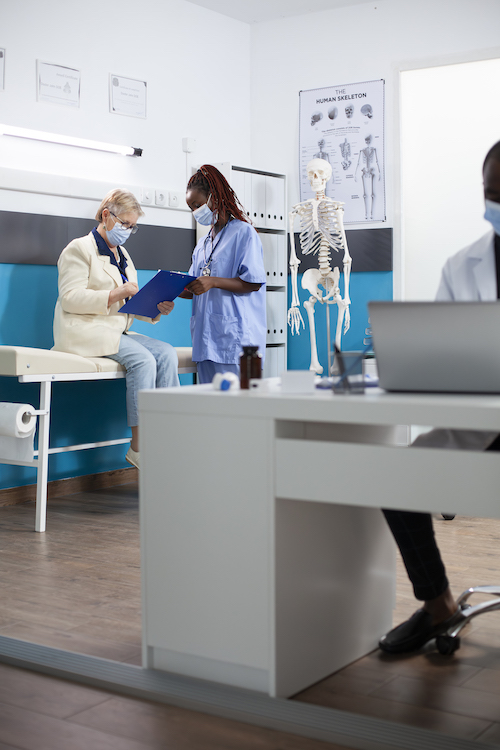
Consultations
MJ Orthocare is an orthopaedics and trauma surgery practice dedicated to helping patients move better, recover fully, and return to their daily lives with confidence. We understand that pain, injury, and limited mobility can affect every part of life, which is why we take a careful and personalised approach to every patient. From accurate diagnosis and clear treatment planning to advanced surgical and non-surgical care, each step is guided by a commitment to doing what is right for the patient. Under the care of Dr T. Majojo, the focus remains on providing professional, supportive care that patients can trust.
Consultation & Diagnosis
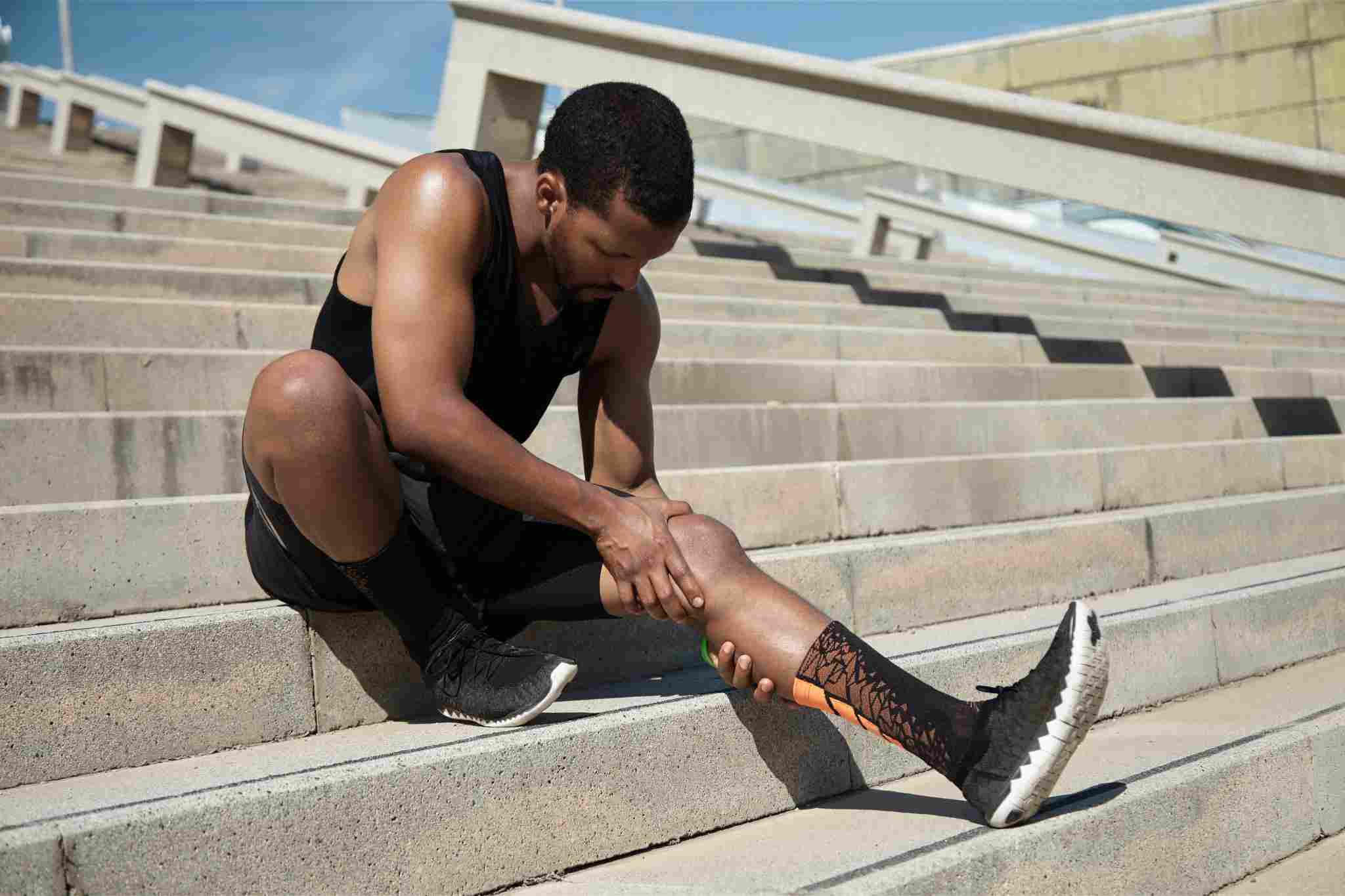
Sports & Soft Tissue Injuries
Surgical Procedures
Corrective & Reconstructive Care
Dr. T. Majojo - Founder

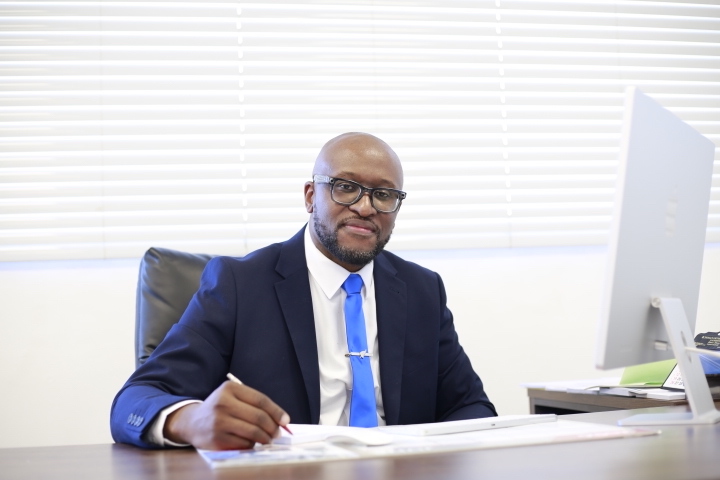
Dr Takunda Majojo is an experienced orthopaedic and trauma surgeon with a strong background in both public and private healthcare. With a focus on improving patient outcomes, he takes a patient-centred approach to care, ensuring each individual feels understood, informed, and supported throughout their treatment journey. He has a special interest in restoring mobility and helping patients recover from injury, guiding them from diagnosis through treatment and recovery. For him, it is meaningful to be part of each patient’s journey back to movement, independence, and everyday life.
You should see an orthopaedic doctor if you have persistent joint pain, difficulty moving, swelling after an injury, suspected fractures, or long-term back or neck pain.
A fracture often causes severe pain, swelling, deformity, and inability to move the affected area. A sprain usually involves stretched or torn ligaments with pain and swelling but less structural deformity. An X-ray is often needed to confirm.
No. Many fractures can heal with casting, splinting, or bracing. Surgery is only required when the bone is severely displaced or unstable.
Physiotherapy helps restore movement, strength, and function after injury or surgery. It plays a key role in full recovery and preventing long-term complications.